
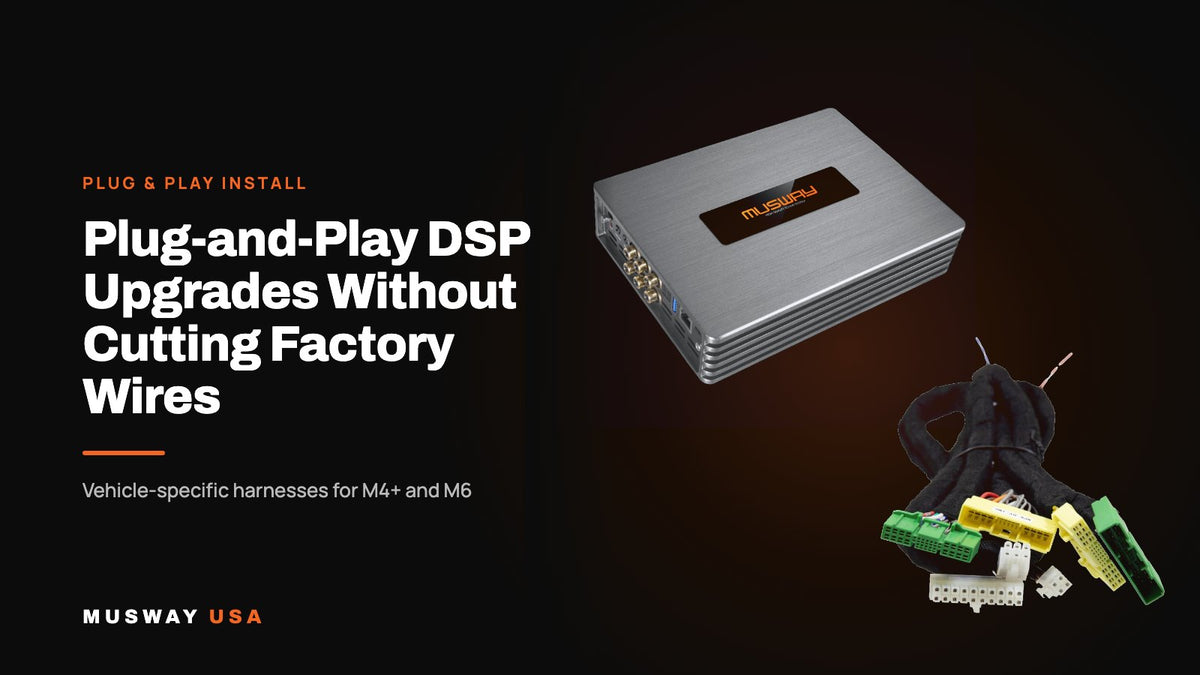
For many drivers, the biggest worry about upgrading a factory sound system is not the cost of the equipment. It is the idea of someone cutting into the wiring of a new vehicle. Cut wires can cause warning lights, complicate warranty claims and make it hard to return the car to stock when you sell or trade it in.
Plug-and-play DSP upgrades remove that worry. A vehicle-specific harness plugs into the factory audio connectors on one end and into a Musway DSP amplifier on the other. Nothing is cut, nothing is spliced, and the whole system can be removed in minutes. This guide explains how it works, which parts you need and how to get the best result.
What is a plug-and-play harness?
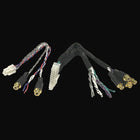
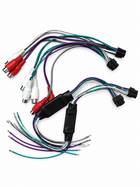
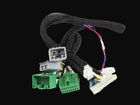
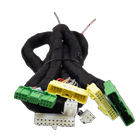
A plug-and-play harness, often called a T-harness, is a cable built for a specific vehicle and audio system. It sits between the factory radio or factory amplifier and the vehicle's speaker wiring. The factory signal flows into the Musway DSP amplifier through the harness, gets processed and amplified, and then flows back out to the factory speaker wiring through the same harness.
Because the harness uses the same connectors the factory used, installation is mostly a matter of locating the factory connector, unplugging it, plugging the harness in between and mounting the amplifier.
Musway plug-and-play harnesses
Musway builds harnesses for vehicles where an upgrade makes the biggest difference. Current examples include:
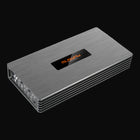
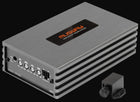
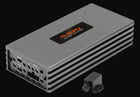
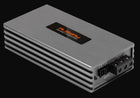
- MPK-HY1M6: built for the Hyundai Ioniq 5 (2021 and newer) with the factory Bose sound system. The 1.1-meter harness connects a Musway M4+ or M6 directly into the factory audio connectors and leaves enough cable to mount the amplifier under a seat.
- MPK-VOL1M6: designed for the Volvo S60 and S80 with a factory amplifier. The 0.8-meter adapter connects an M4+ or M6 while keeping the original connectors.
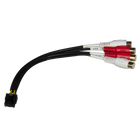
- MPK-RCAD8: an RCA input harness for the D8 DSP amplifier, for systems that use low-level signals.
- Input harnesses for MX amplifiers: including the High-Level Input harness for the FOUR.100 and the EIGHT.100 input harness.
Each harness lists the exact vehicles, audio systems and amplifiers it supports, so always check the product details against your vehicle's model year and factory audio package.
Why pair the harness with a DSP amplifier?
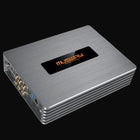
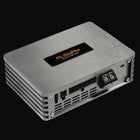
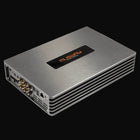
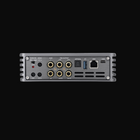
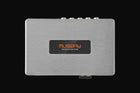
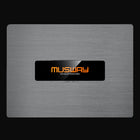
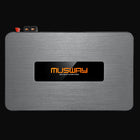
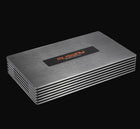
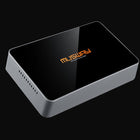
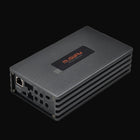
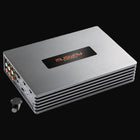
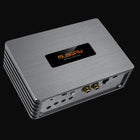
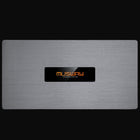
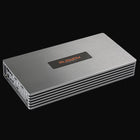
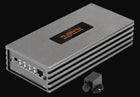
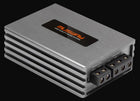
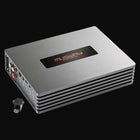
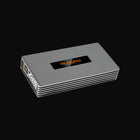
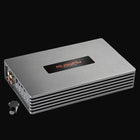
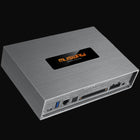
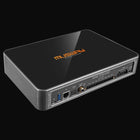
A plug-and-play harness gets the signal in and out cleanly. The M4+ or M6 DSP amplifier is what actually transforms the sound.
- More clean power. The M4+ delivers 4 x 100 watts at 4 ohms and 4 x 135 watts at 2 ohms. The M6 delivers 6 x 70 watts at 4 ohms and 6 x 10⁵ watts at 2 ohms. Both far exceed what most factory amplifiers provide.
- Factory signal correction. Factory systems often filter and equalize the signal for their own speakers. The DSP can sum split signals and flatten the factory curve before applying a new tune.
- Time alignment and EQ. Every speaker can be delayed and equalized individually, which centers the soundstage on the driver's seat.
- Error protection. The Intelligent High-Level Input with EPS is designed so the vehicle does not report speaker faults when the amplifier is connected.
- Modern-vehicle ready. Start-Stop-ready power supplies, auto turn-on through signal sensing and EMI-suppressing 4-fold laminated circuit boards keep the system quiet and stable in vehicles full of electronics.
What a plug-and-play install looks like
- Confirm compatibility. Match your model year and factory audio system to the harness listing.
- Locate the factory connector. Depending on the vehicle, this is behind the radio, at the factory amplifier, under a seat or in the trunk.
- Connect the harness. Unplug the factory connector, connect the harness in between, and plug the amplifier end into the Musway DSP amplifier.
- Power and ground. Connect the amplifier's power and ground according to the owner's manual, with a fuse near the power source.
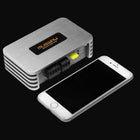
- Mount the amplifier. The compact M4+ and M6 chassis fit under most front seats or behind trim panels.
- Tune. Load a starting tune with the Musway PC software or the Musway app, then fine-tune crossovers, EQ and time alignment for the vehicle.
A professional installer can complete many plug-and-play installs in an afternoon, and the work can be reversed if the vehicle ever needs to return to stock.
Take it further
Once the DSP amplifier is in place, the system is ready to grow:
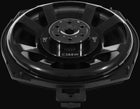
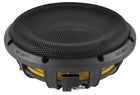
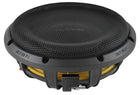
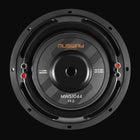
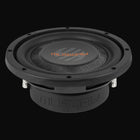
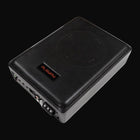
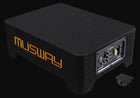
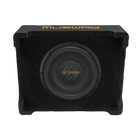
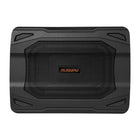
- Add a subwoofer with a compact SW-A7 active under-seat subwoofer or a flat subwoofer such as the MWS822, powered by a Musway ONE series mono amplifier.
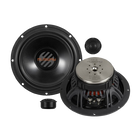
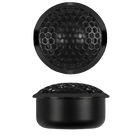
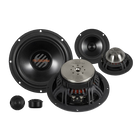
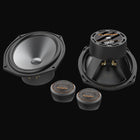
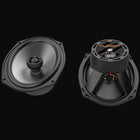
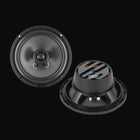
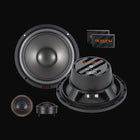
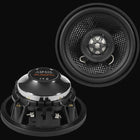
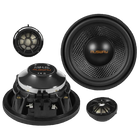
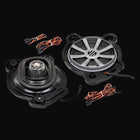
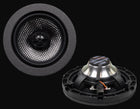
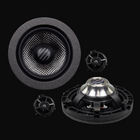
- Replace factory speakers with Musway component sets for clearer highs and stronger midbass.
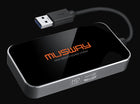
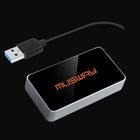
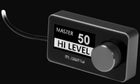
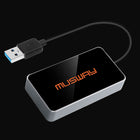
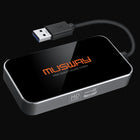
- Add the BTA2 for Bluetooth streaming and app control, or the DRC1 remote for volume, subwoofer level and preset control.
Frequently asked questions
Will a plug-and-play upgrade affect my factory warranty?
A plug-and-play harness does not cut or modify factory wiring, which makes the installation fully reversible. For warranty questions specific to your vehicle, check with your dealer.
Do I keep my factory radio and steering wheel controls?
Yes. The factory radio, screen, steering wheel controls and phone integration continue to work exactly as before.
What if there is no harness for my vehicle?
Musway DSP amplifiers still connect through their high-level input harness. An installer can connect it to the factory speaker wiring, and the DSP will correct the factory signal the same way.
Can I install a plug-and-play kit myself?
Many enthusiasts do. You will need trim removal tools, basic electrical knowledge and a laptop or phone for tuning. For the best sound, have an authorized Musway dealer complete the final tune.
The bottom line
A plug-and-play harness and a Musway DSP amplifier give you the sound of a custom system with the simplicity of a factory install. Your vehicle keeps every factory feature, the wiring stays untouched, and the music finally sounds the way it should.
Not sure which product suits your car?
Tell the US team your vehicle, speakers and goal. They will spec it with you first.
